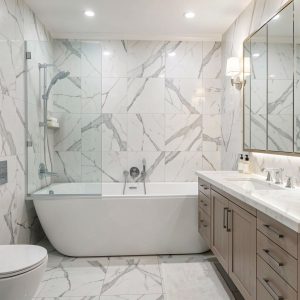

As more North Dallas homeowners plan to stay in their homes long-term, aging-in-place remodeling has become one of the most important trends in residential renovation.
Rather than relocating later in life, homeowners are choosing to adapt their existing homes with thoughtful, accessible, and universal design upgrades that support comfort, safety, and independence, without sacrificing style. What else is more exciting than this?!!!
Whether you’re planning ahead for retirement, caring for an aging parent, or simply want a smarter, more functional home, accessible home design in Dallas is no longer about medical-looking features. Today’s solutions are elegant, discreet, and built for everyday living.
In this guide, we’ll explore practical, design-forward ideas for aging-in-place remodels in North Dallas homes, with a focus on real-life usability, long-term value, and local construction considerations. So, let’s stay with us.
What Does “Aging in Place” Really Mean?
Aging in place refers to the ability to live safely and independently in your own home as you grow older, regardless of mobility, strength, or health changes over time.
An effective aging-in-place remodeling plan considers:
- Reduced fall risks
- Easier navigation throughout the home
- Minimal maintenance
- Flexibility for future needs
- Accessibility without institutional aesthetics
In North Dallas, where many homes were built decades ago with stairs, narrow doorways, and high thresholds, proactive remodeling is often essential.
Why Aging-in-Place Remodeling Is Growing in North Dallas
Several local factors are driving demand for accessible home remodeling in Dallas:
1. Home Values Encourage Staying Put
With rising property values across Plano, Frisco, and North Dallas neighborhoods, many homeowners prefer upgrading their current homes rather than downsizing or moving.
2. Multigenerational Living
Families increasingly remodel homes to support aging parents while maintaining privacy and independence.
3. Desire for Independence
Homeowners want to remain self-sufficient without relying on assisted living or frequent home care.
4. Long-Term Cost Efficiency
Smart accessibility upgrades cost far less than repeated renovations or future relocation.
Universal Design vs. Accessible Design: What’s the Difference?
| Aspect | Universal Design | Accessible Design |
| Primary Purpose | Creates spaces that are comfortable, intuitive, and usable for people of all ages and abilities | Addresses specific mobility or physical limitations that exist today |
| Who It’s For | Families, aging homeowners, children, guests, and future buyers | Individuals with disabilities, mobility challenges, or medical needs |
| Design Philosophy | Proactive and future-focused, designed to adapt as needs change over time | Reactive and need-based, designed to solve current accessibility challenges |
| Visual Appearance | Seamless, modern, and integrated into the overall home design | Can be more functional and visibly adaptive, depending on requirements |
| Typical Features | Wider doorways, lever handles, curbless showers, improved lighting, intuitive layouts | Grab bars, wheelchair turning radii, ramped entries, ADA-inspired clearances |
| Flexibility Over Time | Highly adaptable and supportive for long-term living | May require updates if needs evolve further |
| Impact on Home Value | Enhances resale appeal by appealing to a broader buyer audience | Primarily focused on usability rather than resale aesthetics |
| Best Use Case | Homeowners planning to age in place while maintaining a stylish, market-ready home | Homes where accessibility is immediately required for safety and independence |
So the question here is, why do the best North Dallas aging-in-place remodels use both?
The most successful aging-in-place remodeling projects in North Dallas don’t choose one approach over the other, they blend them strategically. Homeowners can create a room that seems elegant and natural today while subtly promoting mobility, safety, and independence in the future by fusing Universal Design principles with Accessible Design elements.
Entryways & Home Access: First Impressions Matter
Safe access starts before you even step inside.
Smart Entry Upgrades
- Zero-step or low-threshold entrances
- Gently sloped walkways instead of stairs
- Wider doorways (36” preferred)
- Lever-style door handles
- Motion-activated exterior lighting
These features are especially valuable for homeowners dealing with knee, hip, or balance issues, and they blend seamlessly into modern North Dallas home designs.
Barrier-Free Bathroom Remodels: The Most Critical Upgrade
Bathrooms are the highest-risk areas in any home and one of the most impactful places to invest in aging-in-place remodeling.
Essential Barrier-Free Bathroom Features
- Curbless (zero-threshold) showers
- Non-slip tile flooring
- Built-in shower benches
- Grab bars (designed to look like towel bars)
- Comfort-height toilets
- Handheld showerheads with slide bars
- Wider bathroom doorways
A barrier-free bathroom remodel dramatically improves safety while increasing home value, especially in North Dallas markets where luxury and functionality go hand in hand.
Kitchen Accessibility Without Sacrificing Style
Modern kitchens can be both beautiful and accessible with thoughtful planning.
Accessible Kitchen Design Ideas:
- Pull-out shelves and drawers
- Soft-close cabinetry
- Lowered or multi-height countertops
- Touchless or single-lever faucets
- Under-cabinet lighting
- Rounded countertop edges
These features reduce strain, improve visibility, and support daily use for all family members, not just seniors.
Flooring Choices That Support Safety & Mobility
Flooring is one of the most important, and often overlooked, elements in an aging-in-place or accessible home remodel. The right flooring reduces slip risks, supports smooth movement, and helps create a safer environment without sacrificing style.
In North Dallas homes, where open layouts and continuous living spaces are common, flooring decisions directly impact long-term comfort and mobility.
Luxury vinyl plank (LVP) is a top choice for aging-in-place remodeling because it offers built-in slip resistance, durability, and a softer feel underfoot compared to traditional tile. Textured porcelain tile is another excellent option, especially in bathrooms and wet areas, as it provides strong traction while maintaining a clean, modern appearance.
For homeowners who prefer the warmth of wood, engineered hardwood with a matte finish delivers a timeless look while minimizing glare and reducing the risk of slips.
In select areas such as bedrooms or quiet sitting spaces, low-pile carpeting can add comfort and stability, provided it’s tightly secured and free of thick padding. What’s equally important is what to avoid: high-gloss finishes, uneven surfaces, and thick transitions between rooms can all increase fall risk.
A single-level flooring approach throughout the home not only improves accessibility but also enhances visual flow, making the entire space feel more open, cohesive, and easier to navigate.
Read More On: How to Hire a Luxury Home Renovation Contractor in Far North Dallas
Hallways, Doors & Navigation Improvements
Older North Dallas homes often feature tight layouts that don’t support mobility aids.
Navigation Enhancements:
- Widened doorways (32-36 inches)
- Pocket or sliding doors
- Open floor plans where possible
- Clear walking paths
- Minimal thresholds between rooms
These changes allow for walkers, wheelchairs, or future mobility needs without making the home feel clinical.
Smart Lighting & Electrical Upgrades for Aging in Place
Good lighting reduces accidents and improves daily comfort.
Recommended Lighting Strategies:
- Layered lighting (ambient + task + accent)
- Motion-sensor night lighting
- Rocker or touch switches
- USB and accessible outlet placement
Smart home systems can also help control lighting, temperature, and security with minimal physical effort.
Bedroom & Living Space Adaptations for Aging-in-Place Homes
| Area | Design Focus | Recommended Adaptations | Why It Matters |
| Bedroom | Accessibility & daily comfort | Main-level primary suite to eliminate stairs | Reduces fall risk and supports long-term independence |
| Clearance & mobility | Minimum 36 inches of clear space around the bed | Allows easy movement, walker, or wheelchair access | |
| Storage access | Closets with pull-down rods and adjustable shelving | Makes everyday storage usable without bending or reaching | |
| Controls & lighting | Light switches and outlets are placed within easy reach | Improves safety and convenience, especially at night | |
| Living Room | Layout & circulation | Stable furniture layouts with wide walking paths | Prevents tripping and supports smooth movement |
| Seating support | Firm seating with armrests and proper seat height | Helps with sitting down and standing up safely | |
| Indoor-outdoor flow | Step-free or low-threshold access to patios or outdoor spaces | Encourages mobility, fresh air, and safer transitions |
Planning Ahead: Designing for Future Needs
The smartest aging-in-place remodels anticipate changes that may not be necessary today.
Future-ready upgrades include:
- Blocking in walls for future grab bars
- Reinforced staircases for potential lifts
- Electrical rough-ins for smart technology
- Structural support for future modifications
Planning early avoids expensive renovations later.
Read More On: How Room Additions Add Space and Value in North Dallas
Local Permits & Code Considerations in North Dallas
Accessibility remodeling must still comply with local building codes and permit requirements.
A professional North Dallas remodeler will:
- Navigate Plano & Dallas permit regulations
- Ensure safety compliance
- Coordinate inspections
- Protect resale value
Working with a licensed, local contractor ensures your upgrades meet both functional and legal standards.
Choosing the Right Contractor for Aging-in-Place Remodeling
Aging-in-place remodeling requires more than standard renovation experience. It demands a contractor who understands how design, safety, comfort, and long-term livability work together. Unfortunately, not all remodelers are trained in accessible or universal design, and choosing the wrong partner can lead to costly redesigns or features that don’t truly support daily life.
The right aging-in-place contractor should bring proven hands-on experience with homes designed for changing mobility needs, not just theoretical knowledge. They should understand universal design principles well enough to integrate accessibility features seamlessly, without making the home feel institutional or outdated.
Custom planning is equally important. Every household, lifestyle, and home layout in North Dallas is different, which means one-size-fits-all solutions simply don’t work. A qualified contractor will take time to evaluate how spaces are used today and how they may need to adapt in the future, then tailor solutions accordingly.
Transparency is another non-negotiable. Clear planning, realistic timelines, and upfront pricing protect homeowners from stress and unexpected delays, especially in projects involving structural changes or safety-critical upgrades.
Finally, local experience matters. A contractor who regularly serves North Dallas neighborhoods understands regional building codes, permitting requirements, and home styles, ensuring the project moves smoothly from design to completion.
At Home Platinum Services, aging-in-place remodeling is approached with the same care and precision as any high-end renovation, balancing thoughtful design, durable materials, and long-term functionality so homeowners can remain confident, comfortable, and independent in their homes for years to come.
Long-Term Value of Accessible Home Remodeling
Aging-in-place upgrades offer more than safety:
- Increased property appeal
- Strong resale potential
- Lower long-term housing costs
- Improved quality of life
As buyer demand grows for accessible, functional homes, these upgrades position your property ahead of the market.
Final Thoughts: Designing for Independence, Comfort & Peace of Mind
The goal of accessible and universal design is to create a house that changes with you, not to prepare for decline.
With thoughtful planning, the right materials, and a skilled local contractor, aging-in-place remodeling in North Dallas can enhance your lifestyle today while protecting your independence tomorrow.
Frequently Asked Questions (FAQs)
What are the most important aging-in-place design features for North Dallas homes?
The most important aging-in-place features include step-free entries, wider doorways, slip-resistant flooring, improved lighting, and accessible bathrooms. In North Dallas homes, combining these features with universal design principles ensures safety, comfort, and long-term usability without compromising aesthetics or resale value.
How does universal design improve long-term home value compared to standard remodeling?
Universal design improves long-term home value by creating spaces that work for all ages and abilities, not just current needs. Homes with seamless accessibility, flexible layouts, and durable materials appeal to a wider pool of buyers in North Dallas, making them more market-resilient over time.
Is aging-in-place remodeling only necessary for seniors with mobility issues?
No, aging-in-place remodeling is not limited to current mobility challenges. Many homeowners plan proactively, integrating accessible and universal design elements early to prevent future limitations, reduce injury risk, and allow them to stay comfortably in their homes longer.
What mistakes do homeowners make when planning accessible home renovations?
A common mistake is focusing solely on immediate needs rather than on long-term adaptability. Homeowners often underestimate space clearances, lighting requirements, and flooring safety. Working with an experienced aging-in-place remodeler helps avoid costly corrections and ensures designs remain functional as needs evolve.
You might also like the following…
- Luxury Kitchen & Bathroom Upgrades Dallas Homes (2026)
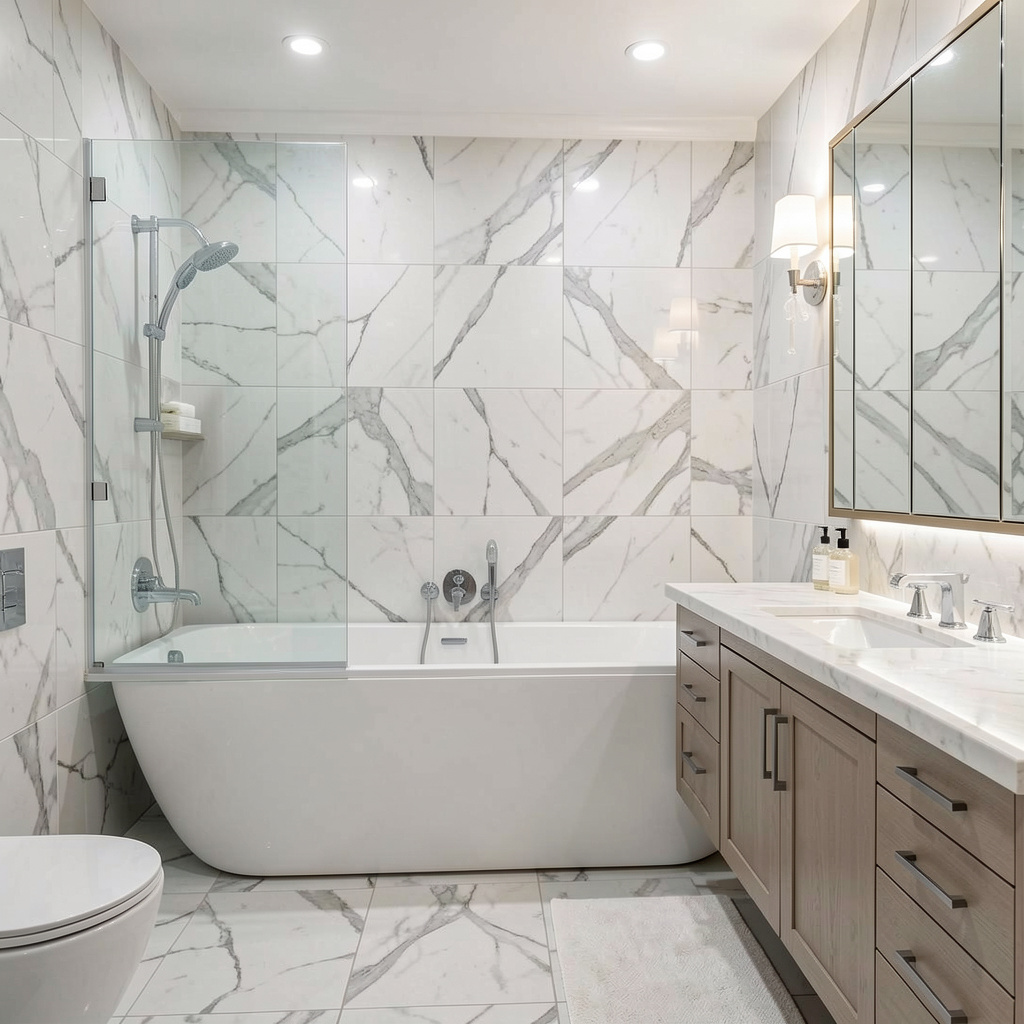 2026 luxury upgrades transforming kitchens, bathrooms, and home value Luxury kitchen and bathroom upgrades remain the most effective ways to increase home value in Dallas. High-ROI improvements in 2026 include oversized kitchen islands,… Read more: Luxury Kitchen & Bathroom Upgrades Dallas Homes (2026)
 - How Dallas Luxury Remodelers Avoid Delays & Cost Overruns
 Luxury home renovations in Dallas should feel exciting, not stressful. Yet one of the most common fears homeowners have before starting a high-end remodel is this: Will this project go over budget or… Read more: How Dallas Luxury Remodelers Avoid Delays & Cost Overruns
 - Design-Build Remodeling for Luxury Homes in Dallas
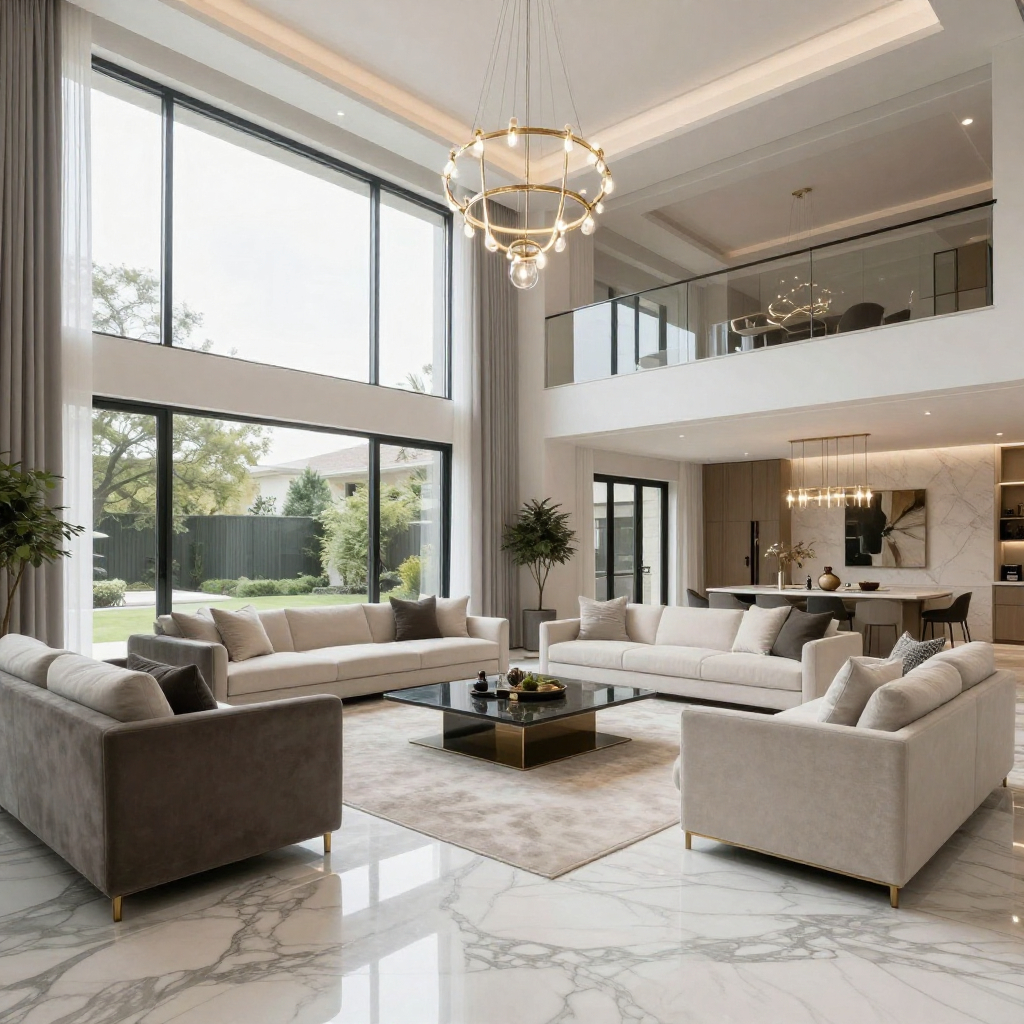 Luxury home remodeling in North Dallas is no longer just about upgrading finishes. Today’s homeowners expect refined layouts, seamless execution, and long-term value. Yet many still approach renovation the traditional way, hiring a… Read more: Design-Build Remodeling for Luxury Homes in Dallas