
What Homeowners Should Know Before the Walls Come Down
A remodeling project can look completely straightforward from the outside.
The cabinets are outdated. The flooring has seen better days. The bathroom feels cramped. Maybe the kitchen needs a more functional layout.
Then demolition begins…
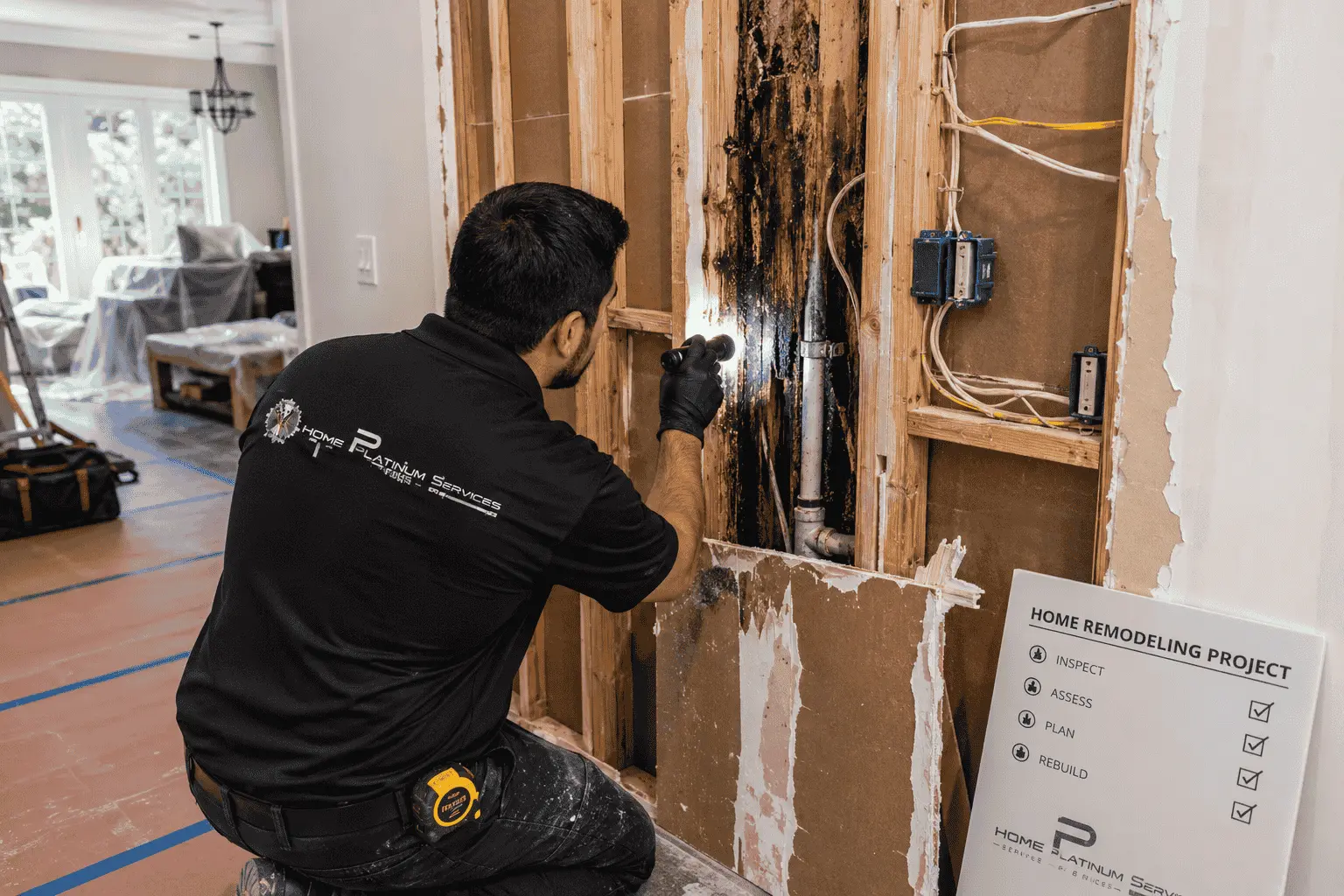
A section of drywall comes down, and suddenly the project reveals something nobody could see before: an old plumbing connection, damaged framing, unexpected wiring, moisture damage, or a previous repair that was never properly completed.
These situations are not necessarily signs that a remodeling project has gone wrong. In many older and previously renovated homes, they are simply part of what happens when a contractor finally gets access to areas that have been closed off for years.
The important question is not whether a remodeling surprise can happen.
It’s whether your remodeling team knows how to identify it, explain it, and address hidden problems during home remodeling before it creates a much larger problem.
For homeowners considering a home remodeling project in Plano, Frisco, Allen, Dallas, or surrounding North Texas communities, understanding these hidden conditions can make budgeting, scheduling, and contractor selection much easier.
After more than 15 years working on residential remodeling projects across North Texas, Home Platinum Services has seen firsthand why the most valuable part of a renovation isn’t always what gets installed. Sometimes it’s what gets discovered and corrected before the new finishes go in.
Why Hidden Problems Appear During Remodeling
Your home’s finished surfaces tell only part of its story.
Drywall can conceal plumbing.
Flooring can hide damaged subfloors.
Cabinets can cover previous water leaks.
Paint can conceal patched walls.
Ceilings can hide old roof or plumbing damage.
And electrical wiring can run through areas that haven’t been inspected in decades.
That’s why a home can appear perfectly acceptable during an initial walkthrough and reveal additional conditions once construction begins.
This is particularly relevant when remodeling older properties, but even relatively newer homes can contain unexpected issues caused by previous renovations, leaks, poor workmanship, or changes made by different contractors over the years.
The goal isn’t to assume something is wrong.
It’s to plan intelligently for what cannot be seen yet.
1. Water Damage Behind Walls
Water damage is one of the most important hidden problems to look for during a remodel.
A small plumbing leak may continue for a long time before producing an obvious stain. Moisture can travel through wall cavities, flooring systems, cabinetry, and other materials before a visible symptom appears elsewhere.
The U.S. Environmental Protection Agency notes that hidden mold can occur behind drywall, around leaking or condensing pipes, above ceiling tiles, beneath flooring materials, and in other concealed areas.
That means a small discolored section of drywall isn’t necessarily the entire problem.
During a kitchen or bathroom renovation, demolition may reveal:
- Water-stained drywall
- Damaged cabinet bases
- Deteriorated framing
- Damp insulation
- Damaged subflooring
- Corrosion around plumbing connections
- Evidence of an older leak
- Mold growth associated with persistent moisture
The right response isn’t simply to replace whatever looks damaged.
The source of the moisture needs to be identified first.
The EPA specifically recommends correcting the water source and promptly drying affected materials. When wet areas are dried within roughly 24-48 hours after a leak or spill, mold growth is less likely to develop.
For an active or extensive water-damage situation, homeowners may need a qualified restoration professional before normal remodeling work continues.
2. Outdated or Improper Electrical Wiring
Electrical problems are another issue that may remain invisible until walls are opened.
A home doesn’t automatically have an unsafe electrical system simply because it’s older. But older wiring deserves closer attention when a major renovation changes how rooms will be used or increases electrical demand.
The U.S. Consumer Product Safety Commission has warned that wiring components can deteriorate over time and that older systems may struggle with the demands created by modern appliances and electrical loads.
A remodeling project may uncover:
- Older wiring methods
- Damaged insulation
- Improper connections
- Overloaded circuits
- Unprotected wiring
- Previous DIY modifications
- Junction boxes that aren’t where expected
- Wiring that needs to be relocated because of the new layout
This is one reason electrical planning should happen before new drywall and finishes are installed.
For example, opening a kitchen wall during a luxury kitchen remodel may provide an opportunity to evaluate whether the existing electrical layout can properly support modern appliances, lighting, outlets, and other equipment.
Electrical repairs should always be evaluated and completed by appropriately qualified electrical professionals rather than treated as a DIY remodeling task.
3. Plumbing Problems Behind the Finish
Plumbing is another system homeowners rarely think about until something goes wrong.
During a bathroom or kitchen remodel, existing plumbing may need to be exposed because the new design changes the location of sinks, showers, toilets, appliances, or other fixtures.
That’s when contractors may discover:
- Aging supply lines
- Corroded connections
- Leaking fittings
- Poorly supported pipes
- Previous repairs
- Drainage problems
- Unexpected pipe locations
- Plumbing that doesn’t suit the new layout
A beautiful new bathroom cannot compensate for plumbing problems hidden behind it.
This is why experienced remodeling teams don’t simply install new fixtures over an old system without considering what lies underneath.
The extent of plumbing work will depend heavily on the home’s age, existing infrastructure, the proposed layout, and local requirements.
4. Damaged Subfloors
Flooring problems don’t always end with the flooring itself.
If an older floor has experienced moisture intrusion, plumbing leaks, or prolonged wear, the material underneath may also be compromised.
During demolition, a remodeling team may discover:
- Soft spots
- Staining
- Swelling
- Deteriorated wood
- Uneven areas
- Previous patchwork
- Moisture-related damage
This matters because installing beautiful new flooring over a compromised base can simply hide the problem temporarily.
A new floor needs a suitable substrate underneath it.
That is especially important during whole-home remodeling, where flooring transitions and elevations need to work together across several rooms.
5. Framing Problems You Couldn’t See Before
Walls aren’t only there to separate rooms.
They may also contain structural framing, plumbing, electrical systems, insulation, and other components.
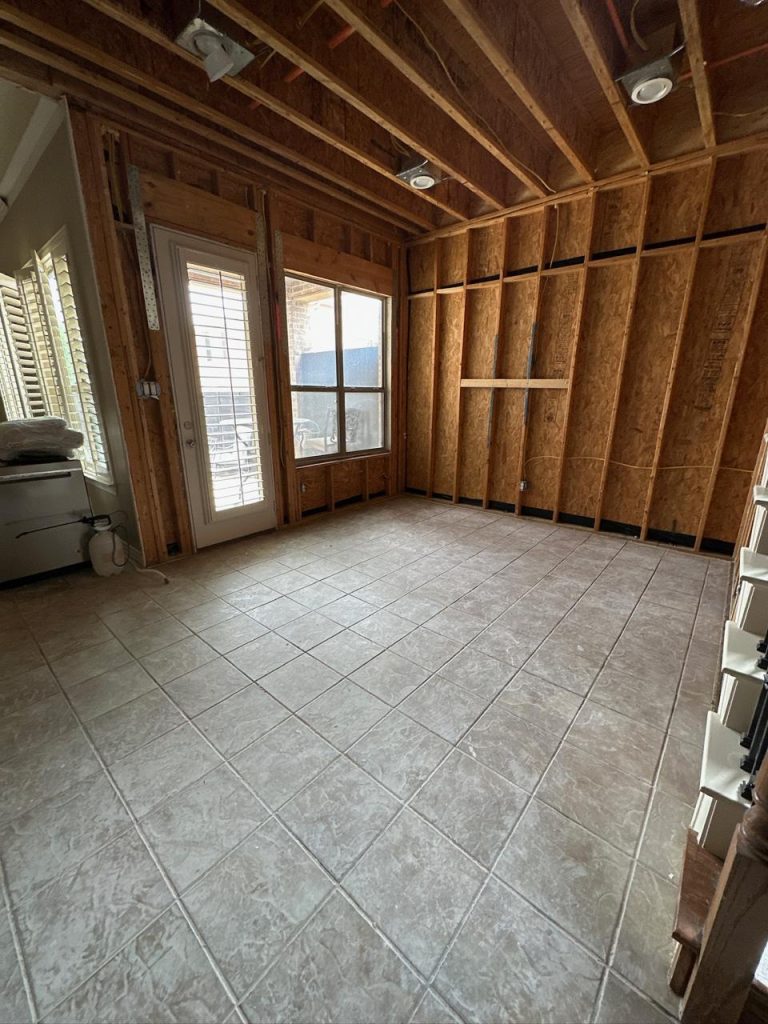
Once drywall is removed, a remodel may expose:
- Damaged studs
- Previous modifications
- Unexpected framing
- Improper openings
- Structural components that affect the proposed layout
- Areas requiring reinforcement
This becomes especially important when homeowners want to create an open-concept layout.
Removing or modifying a wall isn’t simply a design decision. Some walls perform structural functions, and changes may require engineering, permits, or other professional evaluation depending on the project.
A reputable remodeling contractor should never treat structural uncertainty as something to ignore simply to keep the original estimate looking attractive.
6. Previous Remodeling Work Can Become the Problem
Sometimes the biggest surprise isn’t the original construction.
It’s the renovation that happened five, ten, or twenty years later.
A previous homeowner may have:
- Relocated plumbing
- Added electrical circuits
- Removed a wall
- Enclosed a room
- Installed cabinets
- Added flooring over an existing surface
- Patched drywall
- Modified a doorway
And not every previous modification was necessarily completed to the standard expected of today’s project.
This is why a home with multiple generations of renovations can require more investigation than a property that has remained largely unchanged.
You aren’t just remodeling the original house. You’re sometimes uncovering its entire construction history one layer at a time.
7. Moisture Problems Aren’t Always Obvious
A home doesn’t need to have a dramatic flood to develop moisture-related damage.
The EPA identifies several potential moisture sources, including leaking roofs, plumbing leaks, condensation around pipes, drainage problems, and excessive indoor humidity. Moisture trapped inside building cavities can contribute to mold, rot, structural damage, and premature finish failure.
This matters particularly in rooms with plumbing and moisture exposure.
During remodeling, look beyond obvious stains.
Signs worth investigating can include:
- Musty odors
- Discoloration
- Peeling finishes
- Soft drywall
- Swollen wood
- Persistent condensation
- Damaged caulking
- Unexplained flooring changes
The objective isn’t to assume every unusual mark means extensive damage.
It’s to investigate before covering it with brand-new materials.
8. Asbestos, Lead, and Other Older-Home Concerns
Some hidden remodeling issues aren’t construction defects at all.
They are materials that require special handling.
For older properties, homeowners should understand that disturbing certain materials during demolition can create environmental and health concerns.
It means age should influence how demolition and renovation are planned.
If a material is suspected to contain asbestos or lead-based paint, don’t treat it like ordinary demolition debris. Appropriate testing, containment, and professional procedures may be necessary depending on the situation.
So… What Happens When a Hidden Problem Is Discovered?
This is where contractor communication becomes extremely important.
A surprise should not simply appear on the invoice with no explanation.
A professional process should look more like this:
1. Stop and assess
The affected area should be evaluated before additional work makes the situation harder to understand.
2. Identify the cause
If there’s moisture, determine where it came from.
If there’s damaged wiring, determine what needs to be corrected.
If there’s structural damage, determine what is required before proceeding.
3. Explain the finding
Homeowners should understand what was discovered, why it matters, and what happens if it isn’t addressed.
4. Separate necessary work from optional upgrades
Not every discovered issue requires a complete renovation of the surrounding area.
The contractor should distinguish between what is necessary for safety, code compliance, durability, or project completion and what is simply an optional improvement.
5. Document the change
Photos, measurements, revised scope, and updated costs can make the process much clearer.
6. Get approval before expanding the work
Whenever practical, homeowners should understand the additional scope and cost before proceeding.
How Homeowners Can Prepare for Remodeling Surprises
You cannot eliminate every unknown condition.
But you can reduce the chance of being caught completely unprepared.
Before construction begins:
Understand the home’s age.
Older properties may require more investigation.
Review previous repairs.
If you have records, permits, invoices, or information about previous renovations, provide them to your contractor.
Discuss contingency planning.
Ask how unexpected conditions will be handled if they appear.
Don’t spend every dollar of the budget on finishes.
A remodeling budget should leave room for legitimate unknowns, particularly when working with older homes.
Ask what the contractor looks for during demolition.
The answer can tell you a lot about how they approach risk.
Learn More About Remodeling Costs in Plano & Surroundings.
Why the Cheapest Remodeling Estimate Can Become Expensive
A very low estimate can look attractive before construction begins.
But if the estimate assumes everything behind the walls is perfect, it may not reflect the realities of an older or previously modified home.
The better question isn’t:
“Who gave me the lowest number?”
It’s:
“Who has a clear process for dealing with what we can’t see yet?”
That distinction matters when comparing the best home remodeling company in Plano, a luxury remodeling contractor in Frisco, or a remodeling team serving Dallas and surrounding communities.
Good remodeling isn’t simply about the final finishes.
It’s also about what happens when the original plan meets the actual house.
How Home Platinum Services Approaches Remodeling Surprises
At Home Platinum Services, we approach remodeling with the understanding that every property has its own history.
After more than 15 years serving Plano, Frisco, Allen, Dallas, and surrounding North Texas communities, we’ve learned that responsible remodeling requires more than a design and a material list.
It requires looking at the condition of the home as construction progresses.
When hidden conditions appear, the priority is to understand the issue, explain the implications, determine the appropriate solution, and keep the homeowner informed before unnecessary work moves forward.
That philosophy is particularly important for luxury home remodeling, where homeowners are making a significant investment and expect the finished result to be more than visually impressive.
The infrastructure underneath the finishes matters just as much.
The Best Remodeling Projects Don’t Hide Problems–They Solve Them
A renovation gives homeowners something they don’t normally have:
access.
Walls are open.
Floors are exposed.
Cabinetry is removed.
Old plumbing becomes visible.
Electrical systems can be evaluated.
And problems that may have remained hidden for another decade can finally be addressed.
That can feel inconvenient when it happens.
But in many cases, discovering the issue during a planned renovation is far better than discovering it after the new kitchen, bathroom, or flooring has already been completed.
The goal of a good remodel isn’t to pretend surprises don’t exist.
It’s to have a process for dealing with them.
If you’re planning a home remodeling project in Plano, Frisco, Allen, or Dallas, consider asking your contractor not only what they plan to build, but also what they will do when the existing home doesn’t match the assumptions made at the beginning.
That’s often where experience matters most.
Planning a Remodel?
If you’re preparing for a kitchen renovation, bathroom remodel, whole-home renovation, or luxury home remodel, Home Platinum Services can help you evaluate the existing space and plan the work with the home’s actual condition in mind.
Frequently Asked Questions
What are the most hidden problems during home remodeling?
Common discoveries include water damage, outdated electrical wiring, plumbing problems, damaged subfloors, deteriorated framing, previous poor-quality repairs, and moisture-related issues.
Can water damage be hidden behind drywall?
Yes. The EPA notes that moisture and mold can occur behind drywall, around pipes, beneath flooring, and in other concealed areas. A musty odor, staining, or known history of water damage can justify further investigation.
Should I get a home inspection before remodeling?
A professional inspection can be useful, particularly for older homes or properties with known issues. However, an inspection does not replace the need for construction-stage evaluation because some conditions only become visible once walls, floors, or cabinetry are opened.
What should I do if my contractor discovers water damage?
The source should be identified and corrected before damaged materials are simply covered. Depending on the severity, professional water-damage restoration may be appropriate before remodeling continues.
Can old electrical wiring be left in place during a remodel?
It depends on its condition, the home’s electrical system, the proposed renovation, and applicable requirements. Electrical concerns should be evaluated by a qualified electrical professional rather than assumed to be safe or unsafe solely because of the home’s age.
Do remodeling surprises always increase the project cost?
Not necessarily. Some discoveries require only minor corrective work. Others can materially affect the scope. The important factor is having a clear process for documenting, explaining, pricing, and approving additional work.