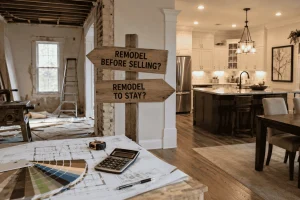

Everything Plano Homeowners Should Know Before Starting a Luxury Home Remodel
Ideas begin to multiply. Pinterest boards fill up. Friends offer conflicting advice…
Before long, you’re comparing materials, collecting estimates, wondering how much to budget, and questioning whether you’re even asking the right questions.
Ironically, the biggest challenges rarely happen once construction begins. They usually happen before the first wall is opened.
The decisions you make during the planning stage will influence almost every part of your project, from your budget and timeline to the quality of the finished result.
That’s why experienced homeowners rarely rush into remodeling. Instead, they prepare carefully, define their priorities, and build a clear roadmap before hiring a contractor.
Whether you’re planning a luxury home remodel in Plano, updating a family home in Frisco, or renovating a property anywhere in the Dallas area, taking the time to plan properly can help you avoid unnecessary stress, unexpected costs, and design decisions you’ll later wish you had approached differently.
At Home Platinum Services, we’ve spent more than 15 years remodeling homes throughout Plano, Frisco, Dallas, and surrounding North Texas communities. One lesson has remained consistent across every successful project:
The best remodeling projects don’t begin with demolition; they begin with thoughtful planning.
In this home remodeling checklist, we’ll walk you through the preparation process homeowners should complete before requesting estimates or signing a construction contract.
Why Preparation Is the Most Valuable Part of Any Remodel
Many homeowners assume the remodeling process starts when workers arrive at the property.
In reality, construction is simply the execution phase.
The real success of a remodel is determined long before permits are issued or materials are delivered.
Planning helps answer important questions such as:
- What are you hoping to improve?
- Which spaces no longer support your lifestyle?
- How long do you expect to stay in your home?
- Are you remodeling for resale, long-term living, or both?
- Which improvements deserve the largest portion of your budget?
The clearer these answers become, the smoother the rest of the project tends to be.
A well-prepared homeowner is also better equipped to compare proposals, understand recommendations, and make confident decisions throughout the remodeling journey.
Step 1: Define Why You’re Remodeling
Every successful renovation starts with a purpose.
Not a paint colour.
Not cabinet samples.
Not flooring.
Your reason for remodeling will influence every decision that follows.
Ask yourself:
- Is your home beginning to feel outdated?
- Has your family outgrown the current layout?
- Do you want a more open floor plan?
- Are you improving the home before selling?
- Are you creating your forever home?
- Do you want better energy efficiency?
- Are you investing in a luxury remodel that reflects your lifestyle?
Your answers help determine which improvements deserve the greatest attention.
For example, someone preparing their home for resale may prioritise broad market appeal, while a homeowner planning to stay for the next twenty years may focus on personalised design and long-term comfort.
Neither approach is wrong.
They’re simply different goals requiring different strategies.
Step 2: Think About How You Actually Live
One mistake homeowners often make is designing for occasional moments instead of everyday life.
A beautiful kitchen matters.
But a kitchen that makes weekday mornings easier is even better.
Instead of asking,
“What would look impressive?”
consider asking,
“What slows us down every day?”
Perhaps your family constantly runs out of storage.
Maybe the laundry room becomes overcrowded.
Perhaps the kitchen island is too small when everyone gathers together.
These daily frustrations often reveal the most valuable remodeling opportunities.
Luxury isn’t always about adding more.
Often, it’s about making everyday routines feel simpler.
Step 3: Create Two Lists–Needs and Wishes
One of the easiest ways to stay focused throughout a remodel is to separate essential improvements from optional upgrades.
Without this exercise, every new idea can feel equally important.
A simple comparison helps establish priorities before budgeting begins.
| Needs | Wishes |
| Improve kitchen layout | Wine display wall |
| Replace ageing flooring | Built-in coffee station |
| Add functional storage | Statement feature wall |
| Update outdated bathrooms | Heated towel racks |
| Improve lighting | Smart mirrors |
| Replace damaged cabinetry | Decorative ceiling details |
Interestingly, many homeowners discover that the upgrades with the biggest impact aren’t always the most expensive.
Step 4: Establish a Realistic Investment Range
One of the most common questions homeowners ask is:
“How much will my remodel cost?”
The honest answer is that every home is different.
Construction methods, material selections, structural conditions, design complexity, and project scope all influence the final investment.
Rather than searching for a single price online, begin by deciding what investment range feels comfortable for your household.
Then discuss your goals with a remodeling professional who can explain where that budget will have the greatest impact.
Trying to design a project before understanding your investment range often leads to unnecessary redesigns later.
A realistic budget creates better decisions from the beginning.
Step 5: Gather Inspiration–But Don’t Copy Someone Else’s Home
Collecting inspiration is one of the most enjoyable parts of planning.
Photos help communicate ideas that words often cannot.
A kitchen that works beautifully in a newly built contemporary home may not suit the architecture of a traditional Plano property.
Likewise, a luxury bathroom featured online may require a much larger footprint than your current layout allows.
Instead of saving complete rooms, pay attention to individual elements you genuinely like.
For example:
- Cabinet styles
- Colour palettes
- Flooring materials
- Lighting ideas
- Stair railings
- Countertop finishes
- Storage solutions
- Window styles
These details help create a personalised design rather than a copy of someone else’s home.
Step 6: Evaluate Your Home’s Current Condition
Before choosing finishes, it’s important to understand the condition of the home itself.
Cosmetic upgrades can only perform well if the underlying structure is in good condition.
During the early planning stages, consider:
| Area to Review | Why It Matters Before Remodeling |
| Roofing | Prevents future water intrusion from affecting new interiors. |
| Plumbing | Older systems may require updating during renovations. |
| Electrical | Modern layouts often demand additional circuits and outlets. |
| HVAC | Ensures comfort and efficiency after remodeling is complete. |
| Windows & Doors | Improves insulation, energy performance, and natural light. |
| Foundation | Identifies movement or structural concerns before work begins. |
| Water Damage | Existing moisture issues should always be addressed before installing new finishes. |
Addressing hidden issues early is usually far more cost-effective than discovering them midway through construction.
Step 7: Decide Whether to Remodel One Room or Think Bigger
Many homeowners initially contact a contractor about one specific room.
After reviewing the home’s layout, they often realise several connected spaces could be improved together.
For example:
- A kitchen remodel may naturally lead to updating the dining room and living area.
- A primary bathroom renovation may inspire improvements to the bedroom suite.
- Replacing flooring throughout connected spaces often creates a more cohesive appearance than completing one room at a time.
That doesn’t necessarily mean expanding the project.
It simply means looking at your home as a complete living environment rather than a collection of individual rooms.
Sometimes, a carefully planned whole-home remodeling project provides greater long-term value than completing separate renovations over several years.
Good Remodeling Starts Long Before Construction
The most successful remodeling projects aren’t defined by premium materials alone.
They’re built on thoughtful preparation, clear priorities, and realistic expectations.
Taking time to understand how your family lives, identifying the improvements that matter most, and establishing a practical roadmap before hiring a contractor creates a much stronger foundation for every decision that follows.
At Home Platinum Services, we’ve helped homeowners throughout Plano, Frisco, Dallas, and North Texas navigate this planning process for more than 15 years. One thing we’ve consistently seen is that homeowners who invest time in preparation tend to enjoy smoother projects, better communication, and results that continue to add value long after construction is complete.
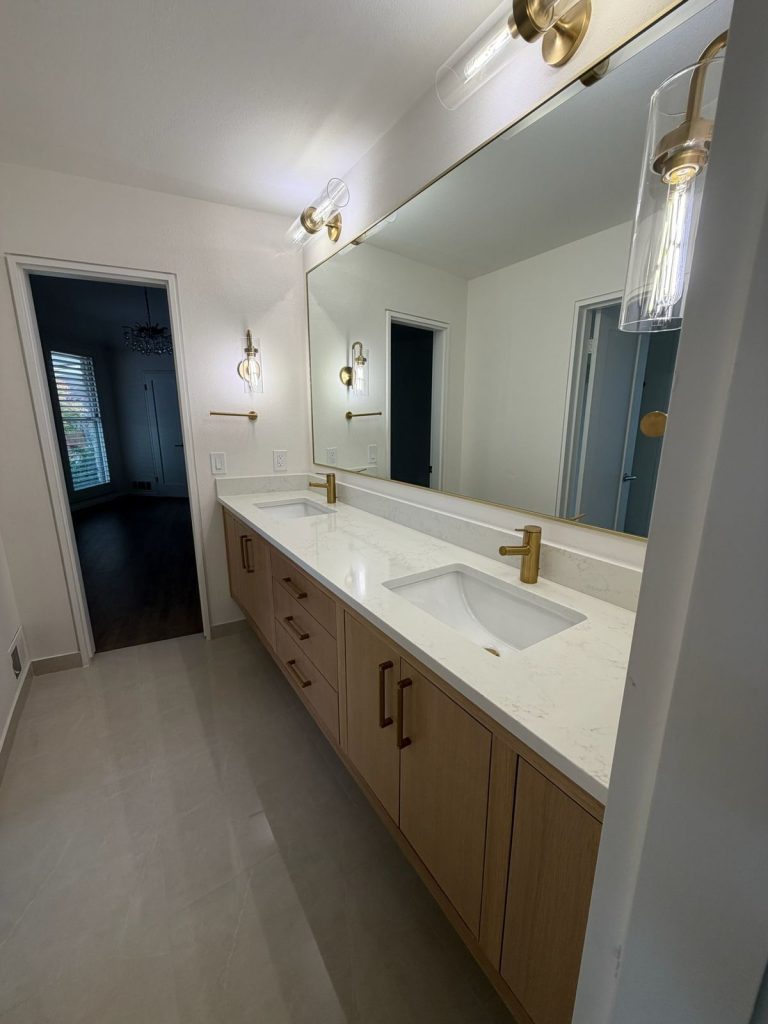
Step 8: Choose a Remodeling Partner–Not Just a Contractor
Once you’ve clarified your goals and established a realistic budget, the next decision may be the most important one of the entire project:
Who will you trust with your home?
A home remodel isn’t like replacing an appliance or repainting a room. For weeks, or sometimes months, you’ll be working closely with the team responsible for your home’s design, construction, communication, and problem-solving.
That’s why choosing a remodeling company should never come down to price alone.
The best remodeling experience comes from partnering with professionals who listen carefully, communicate clearly, and approach every project with planning before construction.
During your initial consultation, pay attention to questions such as:
- Do they ask about your lifestyle and long-term goals?
- Are they interested in understanding how your family uses the space?
- Do they explain different options instead of pushing one solution?
- Are they transparent about timelines, budgeting, and expectations?
A remodeling company that spends time understanding your home before discussing products is often focused on creating long-term value rather than simply winning a project.
Step 9: Ask Questions That Go Beyond the Estimate
Many homeowners compare remodeling proposals by looking at the final number.
While investment is important, the quality of the planning behind that proposal is equally important.
Instead of asking only:
“How much will this cost?”
consider asking:
- How will you approach planning before construction begins?
- What challenges do you anticipate with my home’s layout?
- Will I receive design recommendations before work starts?
- How are unexpected discoveries handled?
- Who will oversee the project day to day?
- How will progress and updates be communicated?
These conversations often reveal far more about a company’s professionalism than the estimate itself.
Step 10: Understand What’s Included Before You Sign
Every remodeling proposal should clearly outline the scope of work.
A detailed agreement helps prevent misunderstandings later and allows everyone to move forward with confidence.
Before signing, review items such as:
| Project Detail | Why It Matters |
| Scope of work | Clearly defines what is and isn’t included. |
| Material selections | Prevents confusion about finishes and product specifications. |
| Estimated timeline | Sets realistic expectations for project milestones. |
| Payment schedule | Creates transparency throughout the project. |
| Warranty information | Explains workmanship and product coverage after completion. |
| Change order process | Clarifies how additional work will be approved if needed. |
Taking the time to understand these details now can prevent unnecessary surprises once construction begins.
Step 11: Plan for Temporary Disruptions
Even a well-managed remodel will temporarily change your daily routine.
Preparing in advance helps reduce stress and keeps the project moving efficiently.
Depending on the scope of work, you may need to consider:
- Setting up a temporary kitchen during a kitchen remodel.
- Creating alternate bathroom arrangements if multiple bathrooms are affected.
- Protecting furniture, artwork, and valuable belongings.
- Planning for children and pets during active construction.
- Identifying work-from-home needs if your office will be impacted.
Thinking ahead allows your family to adapt more comfortably while work is underway.
Step 12: Choose Materials That Balance Style and Longevity
One of the easiest ways to overspend is selecting materials based solely on appearance.
Instead, focus on products that combine beauty, durability, and long-term performance.
Here’s a simple comparison:
| Area | A Smart Long-Term Choice |
| Kitchen Countertops | Quartz or premium natural stone for durability and low maintenance. |
| Cabinetry | Custom or semi-custom cabinetry built for daily use. |
| Flooring | Engineered hardwood or high-quality luxury vinyl in appropriate areas. |
| Bathroom Tile | Porcelain tile with timeless patterns and easy maintenance. |
| Paint | Premium interior paint with washable finishes for high-traffic spaces. |
Timeless materials often provide a better long-term return than trend-driven selections that may feel dated within a few years.
Step 13: Don’t Overlook Permits and Local Building Requirements
Many remodeling projects, particularly those involving structural changes, electrical work, plumbing updates, or room additions, require permits and inspections.
While homeowners don’t need to become experts in local regulations, they should feel confident that their remodeling partner understands the requirements for the project.
Proper permitting helps ensure work is completed safely, meets applicable building standards, and protects the long-term value of your investment.
Step 14: Watch for Warning Signs Before Hiring
Most remodeling projects are successful, but it’s still worth paying attention to potential red flags during the selection process.
Some common warning signs include:
| Potential Red Flag | Why It Deserves Attention |
| Extremely low estimates compared to others | Important items or quality standards may be missing. |
| Pressure to make immediate decisions | Homeowners should have time to review information carefully. |
| Limited communication during the consultation | Communication often becomes even more important during construction. |
| Vague proposals with few details | Clear documentation helps everyone stay aligned. |
| Reluctance to discuss previous projects or process | Experienced professionals should be comfortable explaining how they work. |
Experience Makes the Planning Process Easier
Every home has its own character, construction history, and opportunities.
A house in Plano may present different planning considerations than a newer property in Frisco, while older homes in parts of Dallas often require a different approach altogether.
That’s why experience matters…
At Home Platinum Services, we’ve spent more than 15 years helping homeowners across Plano, Frisco, Dallas, and North Texas plan remodeling projects that balance thoughtful design, quality craftsmanship, and practical functionality.
Rather than applying the same solution to every home, we believe each remodeling plan should reflect the way the homeowner lives today while supporting their goals for years to come.
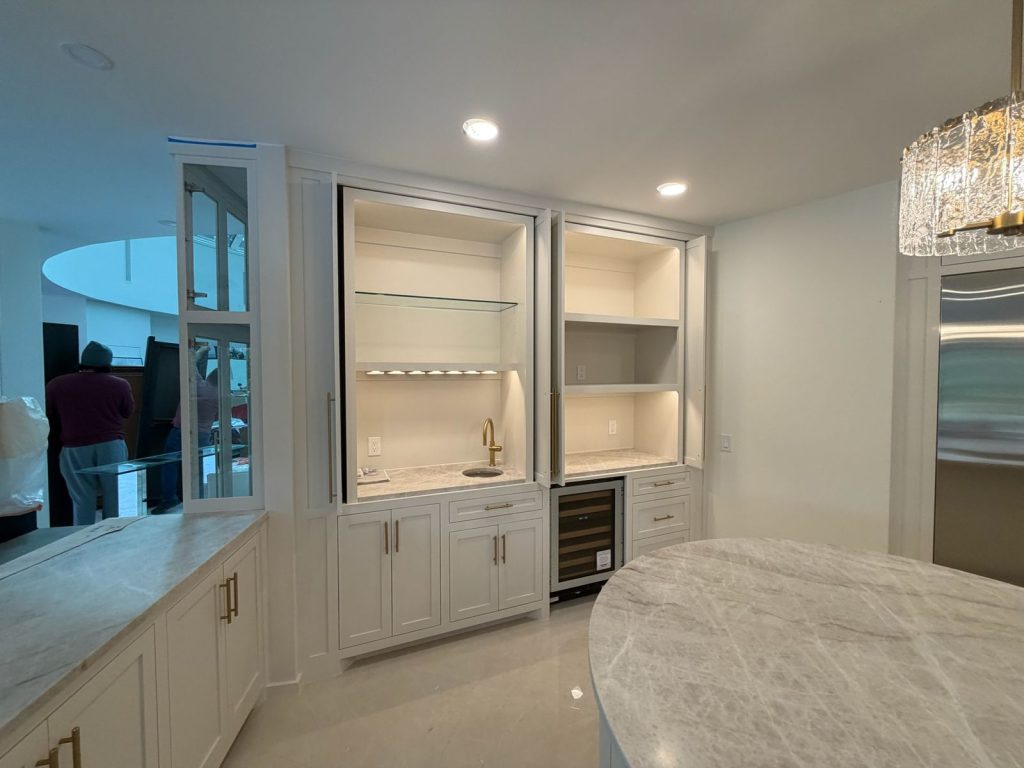
A Well-Planned Project Creates Better Results
By this stage, you should have:
- A clear understanding of your remodeling goals.
- A realistic investment range.
- A prioritized list of needs and wishes.
- A better understanding of how to evaluate remodeling companies.
- Confidence in what should be included before signing a contract.
- A practical roadmap for preparing your home before construction begins.
These steps don’t eliminate every decision, but they create a stronger foundation for a successful remodeling experience.
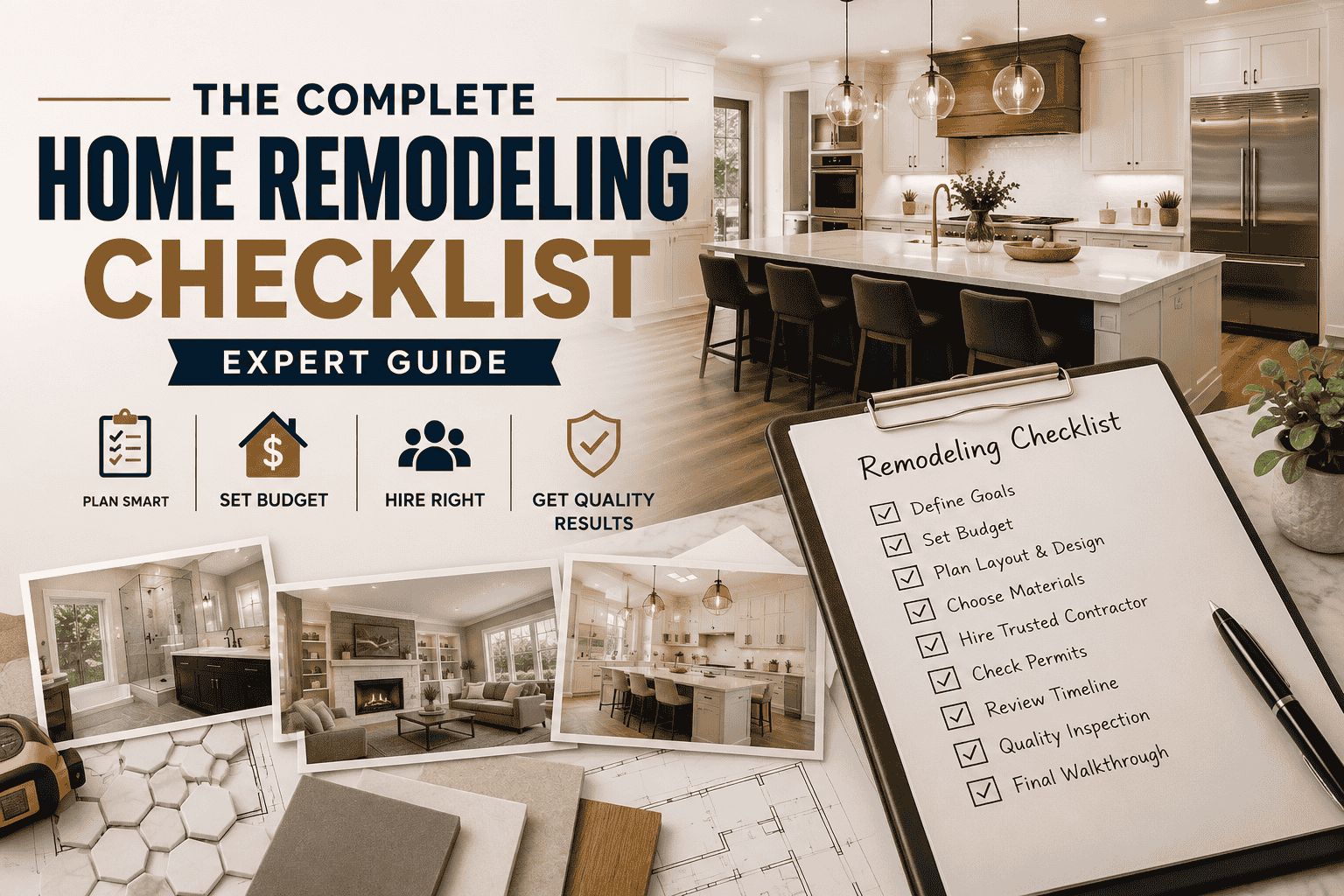
Your Complete Home Remodeling Checklist Before Hiring a Contractor
If you’ve made it this far, you’re already ahead of many homeowners who jump into a remodel without a clear plan!
Before requesting proposals or signing a contract, use this checklist to make sure you’ve covered the essentials.
| ✓ | Homeowner Checklist |
| ☐ | Clearly define why you’re remodeling and what you want to achieve. |
| ☐ | Separate your must-have improvements from your wish list. |
| ☐ | Establish a realistic investment range before selecting finishes. |
| ☐ | Collect inspiration that reflects your lifestyle rather than copying someone else’s home. |
| ☐ | Evaluate your home’s current condition, including plumbing, electrical, HVAC, and structural elements. |
| ☐ | Decide whether a room-by-room update or a whole-home remodel better fits your goals. |
| ☐ | Research experienced remodeling companies with proven local expertise. |
| ☐ | Compare proposals based on planning, communication, craftsmanship, and project scope, not just price. |
| ☐ | Review contracts carefully, including timelines, materials, warranties, and payment schedules. |
| ☐ | Prepare your family and home for temporary disruptions during construction. |
Completing these steps won’t eliminate every decision you’ll make during your remodel, but it will help you approach the process with greater confidence and a clearer understanding of what to expect.
Five Costly Mistakes Homeowners Can Easily Avoid
Even well-planned projects can experience unnecessary setbacks when a few common mistakes are overlooked.
Fortunately, they’re also some of the easiest to prevent.
| Mistake | A Better Approach |
| Hiring based only on the lowest estimate | Compare experience, communication, project planning, and craftsmanship alongside pricing. |
| Choosing finishes before finalising the layout | Design the space first, then select materials that complement the overall plan. |
| Following short-lived design trends | Invest in timeless finishes that will continue to look current for years. |
| Underestimating the importance of planning | Allow adequate time for design, budgeting, and material selection before construction begins. |
| Forgetting about long-term functionality | Prioritise layouts, storage, lighting, and everyday usability, not just appearance. |
A successful remodel isn’t measured only by how beautiful it looks on completion day. It’s measured by how well it continues to serve your family for years afterwards.
Every Home Has a Different Story
One of the reasons online remodeling advice can be misleading is that it often assumes every home starts from the same place.
That simply isn’t the case.
A 1970s home in Plano may benefit from opening enclosed living spaces, improving natural light, and modernising ageing infrastructure.
A newer property in Frisco may already have an efficient layout, allowing homeowners to focus on luxury finishes, custom storage, or personalised design features.
Homes throughout Dallas can vary even more, with each property presenting its own opportunities depending on age, architecture, and previous renovations.
This is why experienced planning always matters more than following a generic checklist.
The best remodeling solutions are the ones that fit your home, your family, and your long-term goals.
Building Better Homes Starts With Better Planning
At Home Platinum Services, we’ve proudly served homeowners throughout Plano, Frisco, Dallas, and surrounding North Texas communities for more than 15 years.
During that time, we’ve learned that exceptional remodeling isn’t defined by the size of the project; it’s defined by the quality of the planning behind it.
Whether we’re helping a homeowner transform a single living space or coordinating a complete luxury home remodel, our approach remains the same:
- Listen first.
- Plan carefully.
- Built with craftsmanship.
- Focus on solutions that continue delivering value long after construction is complete.
Every home deserves a remodeling plan that’s as unique as the people who live there.
Ready to Plan Your Home Remodel?
If you’re exploring home remodeling in Plano, planning a luxury home remodel, or considering a renovation anywhere across Frisco or Dallas, starting with a professional consultation can help you turn ideas into a realistic plan.
At Home Platinum Services, we take the time to understand your goals, evaluate your home’s potential, and recommend solutions that balance design, functionality, and long-term value, without unnecessary pressure or one-size-fits-all recommendations.
Explore our Home Remodeling services or schedule a consultation to start planning your project with confidence.
Frequently Asked Questions
What should I do before hiring a home remodeling contractor?
Start by defining your goals, setting a realistic budget, identifying your priorities, gathering design inspiration, and researching experienced remodeling companies. Preparing these details beforehand makes it easier to compare proposals and make informed decisions.
What should a home remodeling estimate include?
A professional estimate should clearly outline the scope of work, material allowances, estimated timeline, payment schedule, warranty information, and the process for handling any approved changes during the project.
How do I choose the right remodeling contractor in this modern era?
Look beyond the price. Consider the contractor’s experience, communication, planning process, portfolio, workmanship, and their ability to understand your goals before recommending solutions.
How long should I spend planning a remodeling project?
Planning timelines vary depending on the size of the renovation, but allowing sufficient time for design, budgeting, material selections, and contractor consultations usually leads to smoother construction and fewer unexpected changes.
Why is planning so important before remodeling?
Good planning reduces uncertainty, helps establish realistic expectations, improves communication, minimises delays, and allows homeowners to make confident decisions before construction begins.
Explore our Plano kitchen remodeling services, Plano bathroom remodeling services, and whole-home remodeling services in Plano for homeowners across Plano, Frisco, and North Dallas.